 1 hour ago
Introduction
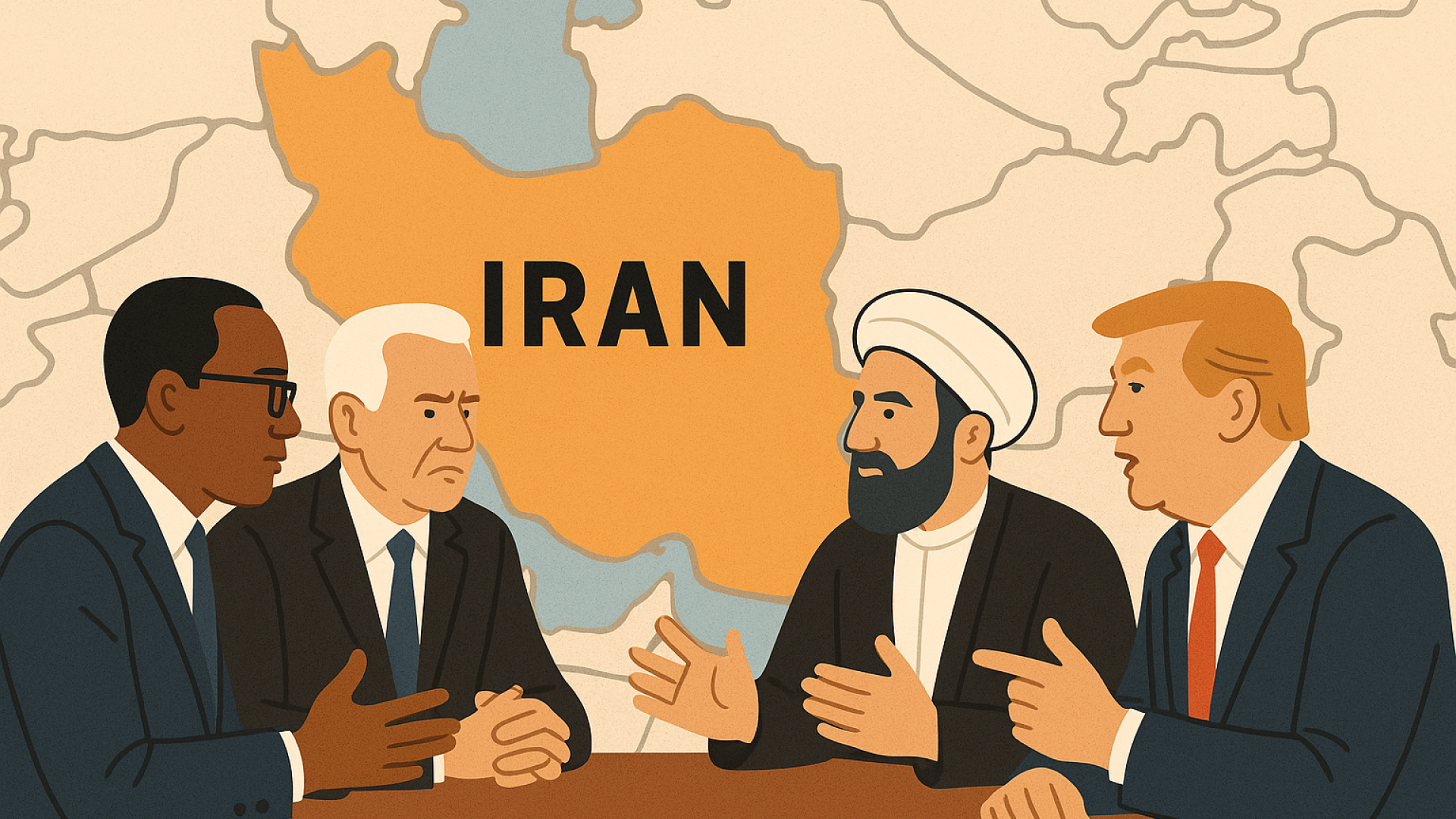
In early 2026, the geopolitical landscape in the Middle East remains highly volatile, with ongoing conflicts involving Iran drawing significant international attention and concern. Against this backdrop, U.S. Democrats have intensified their calls for former President Donald Trump to provide clearer and more comprehensive details about his administration's strategy toward Iran. This demand reflects broader concerns about national security, diplomatic transparency, and the future direction of U.S. foreign policy in the region, especially as tensions continue to escalate and the potential for wider conflict looms.
The call for transparency is not merely political posturing but stems from a genuine need to understand the rationale behind past decisions that continue to influence current events. As the United States navigates a complex and dangerous geopolitical environment, clarity on previous strategies is seen as essential for crafting effective policies moving forward.
Context: Rising Tensions in the Middle East
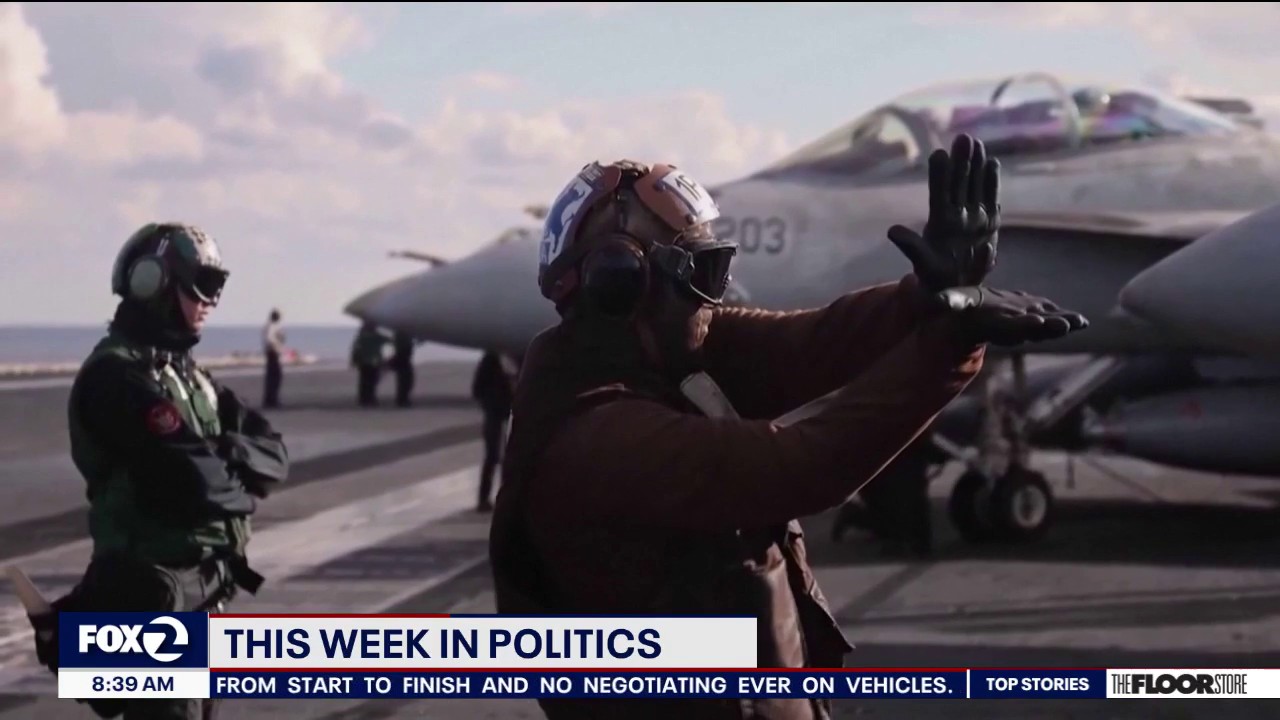
The Middle East has long been a focal point of international diplomacy and conflict, with Iran playing a central role in regional dynamics. Recent developments, including escalations in proxy conflicts across countries like Syria and Yemen, missile exchanges between Iran-backed militias and U.S. forces, and the tightening enforcement of economic sanctions, have significantly heightened tensions. These events have prompted global powers, including the United States, to reassess their strategies and diplomatic approaches toward Iran.
Former President Trump's tenure was marked by a notably hardline stance on Iran, characterized by the withdrawal from the Joint Comprehensive Plan of Action (JCPOA) in 2018 and the imposition of stringent economic sanctions aimed at curbing Iran's nuclear ambitions and regional influence. However, critics argue that the lack of a clear, publicly articulated long-term strategy has contributed to ongoing instability and uncertainty in the region. The absence of transparent communication regarding the administration’s objectives and contingency plans has left both allies and adversaries guessing about U.S. intentions.
Moreover, the Trump administration's approach to Iran was often unpredictable, with sudden policy shifts and rhetoric that sometimes contradicted diplomatic efforts. This unpredictability has complicated efforts by subsequent administrations and international partners to engage constructively with Iran or to formulate a coherent regional strategy.
Core Issues: The Demand for Transparency and Strategy Clarity
Democratic lawmakers and foreign policy experts emphasize the need for detailed information on several key aspects of the Trump administration's Iran policy. Their concerns focus on understanding the strategic framework that guided decisions and actions, which remains largely opaque to the public and many policymakers.
- Strategic Objectives: What were the specific goals regarding Iran's nuclear program, regional influence, and military capabilities? Understanding whether the administration aimed for regime change, containment, or negotiated limitations is crucial for assessing the effectiveness of past policies.
- Diplomatic Engagements: Were there backchannel communications or negotiations that have not been publicly disclosed? Insight into any secret talks or informal diplomacy could shed light on the administration’s willingness to engage and the potential for future dialogue.
- Military Posture: What plans were in place to address potential escalations or conflicts involving Iran? Details about military readiness, contingency plans, and rules of engagement are vital for evaluating risk management and crisis response strategies.
- Coordination with Allies: How did the administration collaborate with NATO partners and Middle Eastern allies to manage the Iran issue? Understanding the extent and nature of international cooperation helps gauge the global support and legitimacy of U.S. policies.
These questions are critical for understanding the rationale behind past decisions and for shaping future policy frameworks that can effectively address the complex challenges posed by Iran’s actions and ambitions.
Analysis: Implications of the Lack of Clear Communication
The absence of transparent communication regarding Iran strategy has several significant implications that affect both domestic and international spheres.
- Domestic Political Polarization: The ambiguity surrounding the administration’s Iran policy fuels partisan debates, complicating bipartisan support for coherent foreign policy initiatives. Without clear information, lawmakers and the public are left to speculate, often leading to misinformation and entrenched political divisions that hinder effective policymaking.
- International Uncertainty: Allies and adversaries alike face challenges in anticipating U.S. actions, potentially destabilizing diplomatic relations. Allies may hesitate to fully commit to joint strategies without understanding U.S. intentions, while adversaries might exploit uncertainty to advance their own agendas, increasing the risk of miscalculations and unintended escalations.
- Security Risks: Without clear strategic guidance, military and intelligence agencies may encounter difficulties in operational planning and threat assessment. This can lead to gaps in preparedness, misaligned priorities, and reduced effectiveness in countering threats posed by Iran and its proxies.
Experts suggest that a comprehensive debriefing or public disclosure could mitigate these issues by fostering informed debate and strategic continuity. Transparency would enable policymakers, analysts, and the public to better understand the complexities of the situation and contribute to more nuanced and effective policy responses.
Potential Solutions and Path Forward
To address these challenges and improve the United States’ approach to Iran, several measures are being considered by lawmakers, experts, and diplomatic officials.
- Congressional Hearings: Holding hearings where former administration officials provide testimony and clarify policy decisions could enhance accountability and provide valuable insights. Such hearings would allow for direct questioning and help uncover details that remain unclear.
- Declassification of Documents: Releasing relevant documents to the public would enhance transparency and historical understanding. Access to official records can inform public discourse and academic research, contributing to a more comprehensive grasp of past policies.
- Strategic Review Panels: Establishing bipartisan panels to evaluate past policies and recommend future strategies could foster consensus and reduce partisan divides. These panels can draw on expertise from various fields to develop balanced and pragmatic approaches.
- Enhanced Diplomatic Engagement: Renewing efforts to engage with Iran and regional stakeholders through multilateral forums such as the United Nations or the Gulf Cooperation Council can open channels for dialogue and conflict resolution. Diplomacy remains a critical tool for managing tensions and preventing further escalation.
These measures aim to build a more coherent and effective U.S. approach to Iran, balancing security concerns with diplomatic opportunities. By learning from past experiences and promoting transparency, the United States can better position itself to address the multifaceted challenges posed by Iran’s regional activities.
Conclusion
The ongoing conflict involving Iran remains a critical issue for U.S. foreign policy and international stability. Democrats' demands for clearer details from former President Trump underscore the importance of transparency and strategic clarity in navigating complex geopolitical challenges. Without a full understanding of past policies and intentions, it becomes difficult to formulate effective strategies that can promote peace and security in the Middle East.
Moving forward, a collaborative and informed approach will be essential to achieving sustainable peace and security in the region. This includes fostering bipartisan cooperation, engaging with international partners, and maintaining open channels of communication with all stakeholders involved.
As the situation evolves, continued scrutiny and dialogue will help ensure that U.S. policies are grounded in comprehensive understanding and aligned with broader national and global interests. Ultimately, transparency and strategic clarity are not just political necessities but vital components for safeguarding peace and stability in one of the world’s most volatile regions.