 6 days ago
Introduction
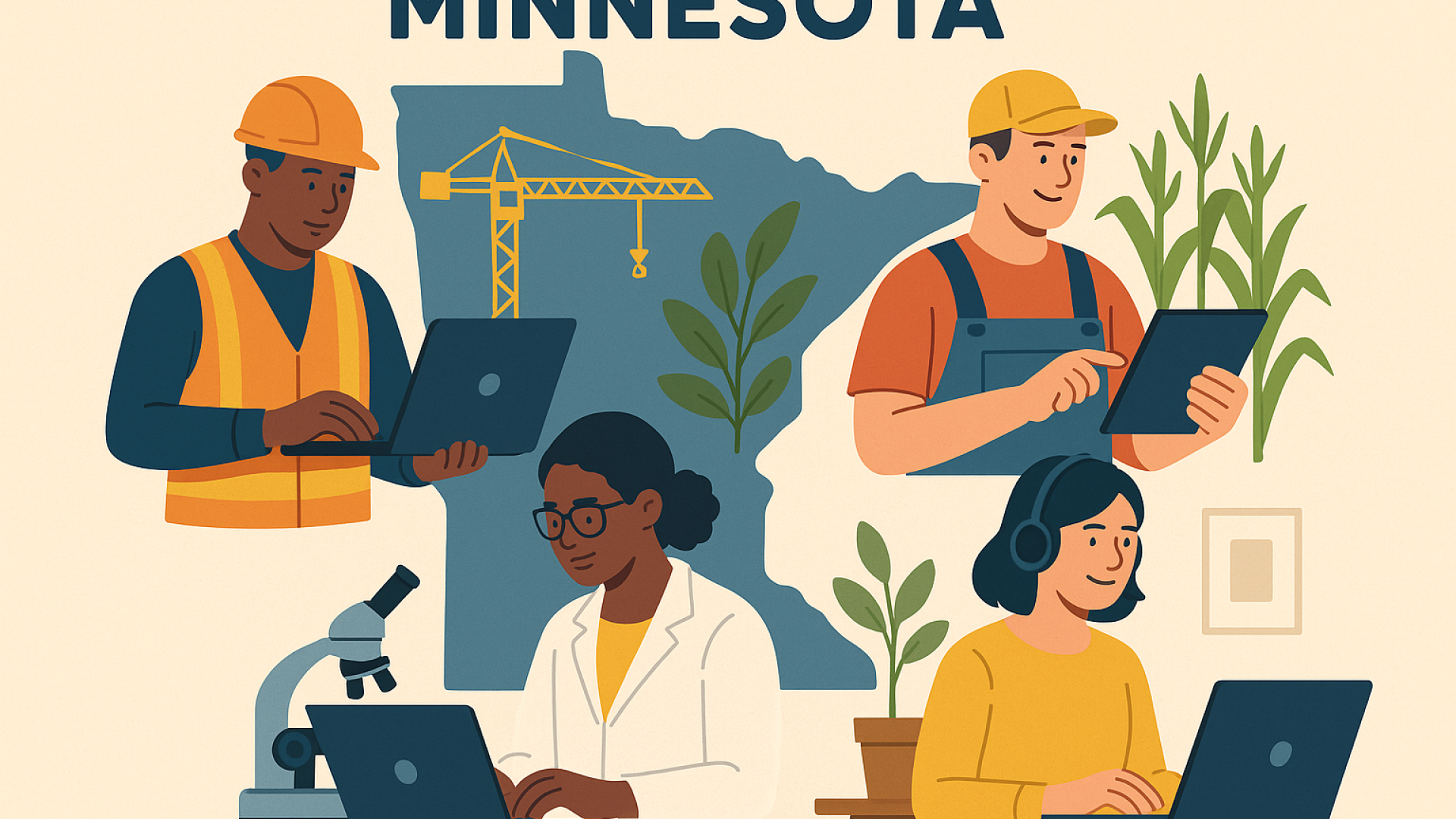
As we move deeper into the 21st century, technology continues to revolutionize the way we live and work. Minnesota, known for its diverse economy and strong industrial base, is at the forefront of this transformation. From automation and artificial intelligence to remote work and digital platforms, technological advancements are reshaping the state's labor market and workplace dynamics in profound ways.
This article delves into how technology is changing work in Minnesota, examining the context behind these changes, the core impacts on various sectors, the challenges faced by workers and employers, and potential solutions to ensure an inclusive and prosperous future for all Minnesotans. By understanding these dynamics, stakeholders can better prepare for the evolving nature of work and leverage technology to foster economic growth and social well-being.
Context: Minnesota’s Economic and Technological Landscape
Minnesota boasts a robust and diverse economy with key industries including manufacturing, healthcare, agriculture, retail, and technology. The Twin Cities metropolitan area, comprising Minneapolis and St. Paul, serves as a vibrant hub for innovation, hosting numerous tech startups, established corporations, and world-class research institutions. This ecosystem fosters collaboration and drives technological advancements that ripple across the state.
Over the past decade, Minnesota has seen significant investments in technology infrastructure, education, and workforce development programs aimed at preparing residents for the digital economy. Initiatives such as expanding broadband access, enhancing STEM education, and supporting entrepreneurship have positioned the state to capitalize on emerging opportunities. However, the pace of technological change has accelerated rapidly, creating both exciting possibilities and complex disruptions that require adaptive strategies.
Core Impacts of Technology on Minnesota’s Workforce
Automation and Artificial Intelligence
Automation technologies, including robotics and artificial intelligence (AI), are increasingly integrated into manufacturing plants, warehouses, and service industries across Minnesota. These technologies improve operational efficiency, reduce costs, and enhance product quality, but they also displace certain routine and manual jobs, prompting shifts in workforce composition.
For example, automated assembly lines in automotive and electronics manufacturing have significantly reduced the need for manual labor, while AI-powered customer service bots handle routine inquiries in retail and banking sectors. These advancements enable companies to scale operations and improve customer experiences but necessitate workforce reskilling to manage and complement these technologies.
Remote Work and Digital Collaboration
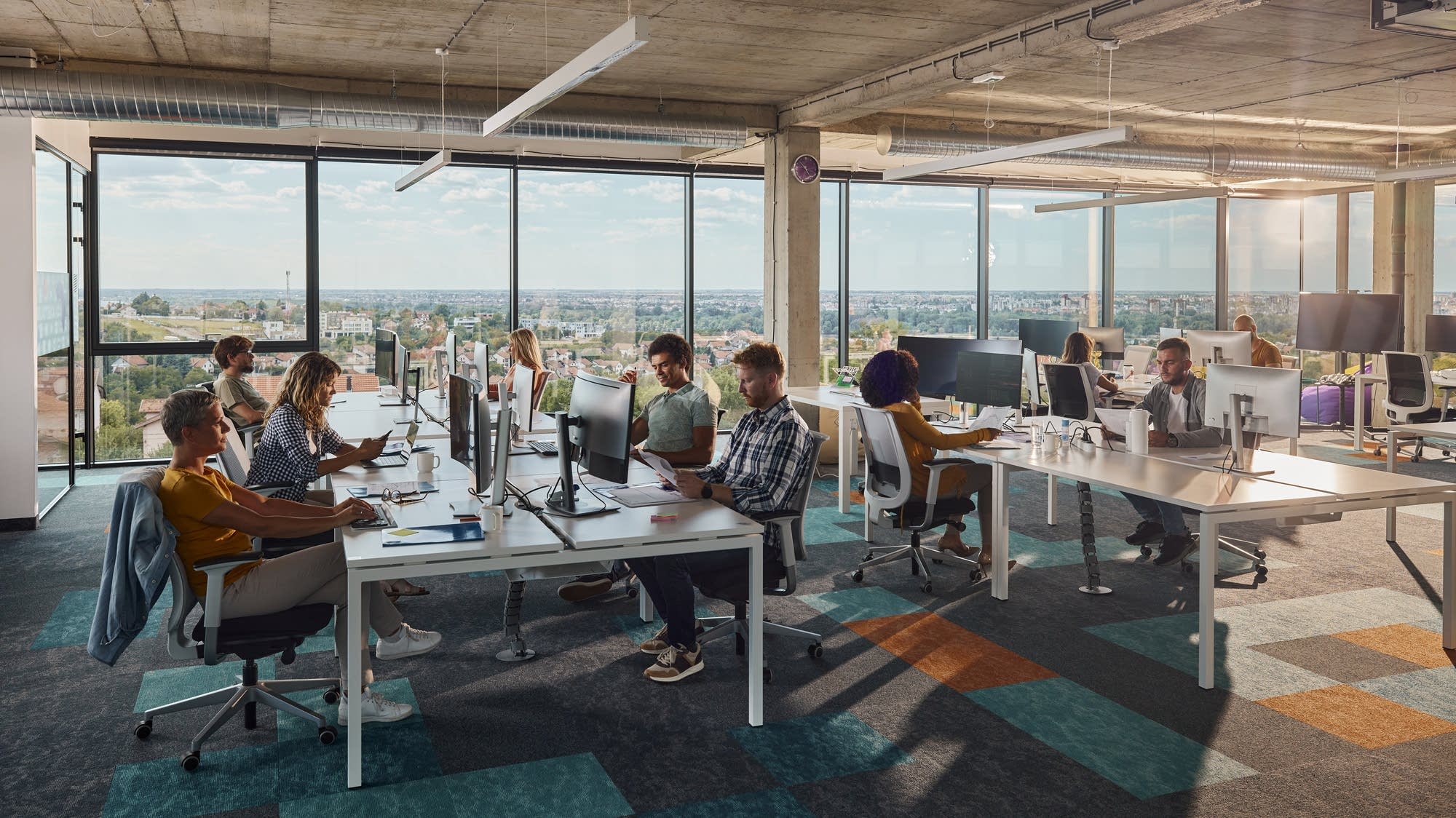
The COVID-19 pandemic accelerated the adoption of remote work technologies, and Minnesota companies have embraced flexible work arrangements as a permanent feature of their operations. Cloud computing, video conferencing, and collaboration platforms enable employees to work from home or satellite offices, expanding talent pools beyond geographic constraints and improving work-life balance for many.
This shift has also impacted commercial real estate and urban planning, as demand for traditional office space fluctuates and transportation patterns evolve. Cities and businesses are reimagining workspaces to support hybrid models that blend in-person and remote collaboration, fostering innovation while accommodating employee preferences.
Gig Economy and Digital Platforms
Digital platforms facilitating freelance, contract, and gig work have grown substantially in Minnesota, providing workers with flexible income opportunities and new ways to engage with the labor market. Ride-sharing, food delivery, and freelance marketplaces connect workers directly with customers, bypassing traditional employment models and enabling entrepreneurial activity.
While this creates new earning avenues and flexibility, it also raises important questions about job security, benefits, labor protections, and the long-term sustainability of gig work. Policymakers and businesses are exploring frameworks to balance flexibility with fair treatment and social safety nets for gig workers.
Skills Demand and Workforce Development
Technological change has increased demand for digital literacy, coding, data analysis, cybersecurity, and other tech-related skills across all sectors. Minnesota’s educational institutions and workforce programs are responding by expanding STEM curricula, vocational training, and reskilling initiatives designed to equip workers with the competencies needed in a technology-driven economy.
However, disparities remain in access to training and opportunities, particularly for rural communities, older workers, and underrepresented groups. Addressing these gaps is critical to ensuring equitable participation in the evolving labor market and preventing the widening of economic divides.
Challenges Arising from Technological Transformation
Job Displacement and Economic Inequality
Automation and AI threaten jobs in sectors reliant on routine manual tasks, such as manufacturing, retail, and administrative support. Workers without access to retraining or alternative employment opportunities may face prolonged unemployment or underemployment, exacerbating economic inequality and social instability.
Communities dependent on traditional industries may experience economic decline if transitions are not managed effectively, leading to population loss and reduced public services. Proactive policies and targeted support are essential to mitigate these risks and foster inclusive economic renewal.
Digital Divide and Access to Technology
Despite Minnesota’s technological advancements, a digital divide persists. Rural areas and low-income households often lack reliable high-speed internet and access to modern devices, limiting their ability to participate fully in the digital economy. This gap affects education, job searching, telehealth, and civic engagement, reinforcing existing inequalities.
Closing the digital divide requires coordinated efforts to expand broadband infrastructure, subsidize technology access, and provide digital literacy training, ensuring all Minnesotans can benefit from technological progress.
Workplace Culture and Employee Well-being
The rise of remote work and digital communication tools has blurred boundaries between work and personal life, leading to challenges in maintaining work-life balance, mental health, and social connection. Employees may experience burnout, isolation, or difficulty disconnecting from work.
Employers must adapt management practices to support employee well-being in this new environment by promoting flexible schedules, encouraging regular breaks, providing mental health resources, and fostering inclusive and supportive workplace cultures.
Regulatory and Ethical Considerations
The rapid adoption of AI and data-driven technologies raises concerns about privacy, surveillance, algorithmic bias, and ethical use of data. Policymakers and businesses in Minnesota face the challenge of crafting regulations that protect workers and consumers without stifling innovation.
Developing transparent governance frameworks, promoting accountability, and engaging diverse stakeholders in technology development can help address these concerns and build public trust.
Potential Solutions and Strategies for Minnesota’s Future Workforce
Investing in Education and Lifelong Learning
Expanding access to quality education and continuous skill development is critical for preparing Minnesota’s workforce for the future. Partnerships between government, educational institutions, and industry can create tailored training programs that align with evolving labor market needs.
Emphasizing STEM education, digital literacy, and soft skills such as critical thinking and communication will prepare workers for diverse roles in a technology-driven economy. Additionally, promoting lifelong learning and flexible credentialing can help workers adapt to changing job requirements throughout their careers.
Bridging the Digital Divide
Expanding broadband infrastructure and providing affordable technology access in underserved areas can help close the digital gap. Public-private initiatives, targeted funding, and community-based programs can accelerate these efforts, ensuring equitable access to digital tools and connectivity.
Complementary digital literacy training and support services are also essential to empower individuals to effectively use technology for education, employment, and civic participation.
Supporting Workers Through Transition
Programs offering career counseling, retraining, and financial support can ease the impact of job displacement caused by technological change. Minnesota’s workforce development agencies can collaborate with employers to identify emerging job opportunities and facilitate smooth transitions for affected workers.
Innovative approaches such as apprenticeship programs, on-the-job training, and sector partnerships can provide practical pathways to new careers, helping workers build relevant skills while earning income.
Promoting Inclusive and Ethical Technology Use
Developing ethical guidelines for AI and data use, along with transparent governance frameworks, can build public trust and ensure technologies serve the public good. Encouraging diversity in tech development teams helps reduce bias and ensures technologies reflect broad community interests.
Engaging stakeholders from government, academia, industry, and civil society in technology policy discussions can foster balanced approaches that protect rights while enabling innovation.
Fostering Flexible and Supportive Work Environments
Employers can adopt policies that promote work-life balance, mental health support, and inclusive cultures. Hybrid work models that blend remote and in-person work can enhance productivity and employee satisfaction while accommodating diverse needs.
Employee engagement initiatives, transparent communication, and opportunities for professional growth contribute to a positive workplace culture that attracts and retains talent in a competitive labor market.
Conclusion
The technological transformation of work in Minnesota presents both challenges and opportunities. By proactively addressing workforce development, digital access, ethical considerations, and workplace culture, Minnesota can harness technology to create a more dynamic, inclusive, and resilient economy.
Stakeholders across government, business, education, and communities must collaborate to ensure that the benefits of technological progress are widely shared and that no worker is left behind in this new era of work. Through thoughtful policies, investments, and partnerships, Minnesota can lead the way in shaping a future of work that empowers all its residents to thrive.