 5 days ago
Introduction
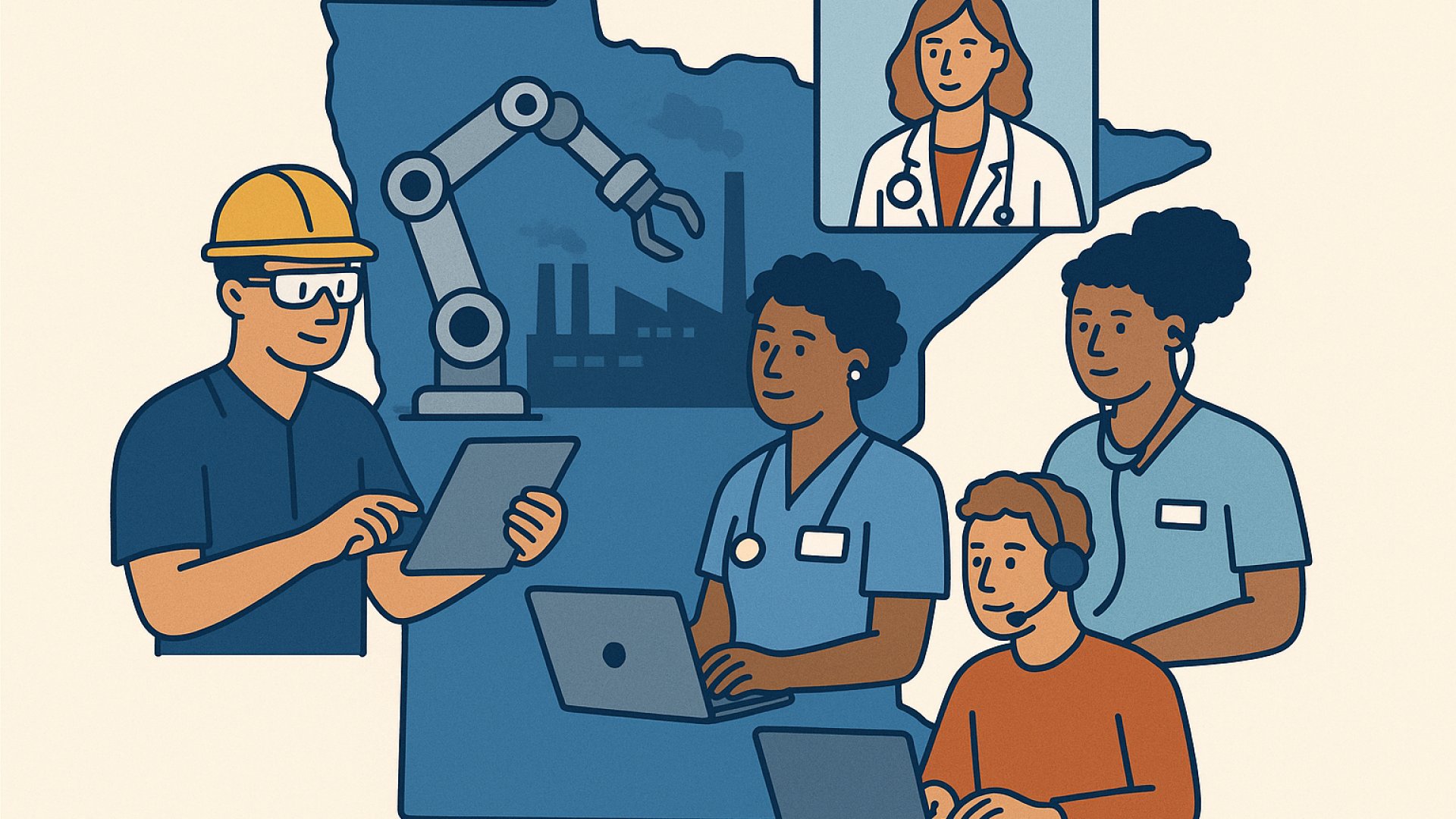
The state of Minnesota is undergoing a significant transformation in its labor market, driven largely by rapid technological advancements. From automation and artificial intelligence to remote work platforms and digital collaboration tools, technology is reshaping how Minnesotans work, the types of jobs available, and the skills required to succeed. This article explores the context behind these changes, the core impacts on various sectors, the challenges faced by workers and businesses, and potential solutions to ensure a prosperous and inclusive future of work in Minnesota.
Context: The Technological Shift in Minnesota's Workforce
Over the past decade, Minnesota has seen steady growth in technology adoption across industries such as manufacturing, healthcare, agriculture, and services. The COVID-19 pandemic accelerated trends like remote work and digital transformation, pushing companies to rethink traditional workplace models. According to state labor reports, sectors that integrate advanced technologies are growing faster than those relying on conventional methods, highlighting a clear shift in economic dynamics.
Moreover, Minnesota's strong educational institutions and innovation hubs have fostered a tech-savvy workforce, attracting startups and established firms alike. Cities like Minneapolis and St. Paul have become centers for technological innovation, supported by universities and research centers that emphasize STEM education and entrepreneurship. However, this rapid evolution also raises concerns about workforce displacement, skill gaps, and equitable access to new opportunities, especially in rural areas and among historically underserved populations.
Core Impacts of Technology on Work in Minnesota
1. Automation and Artificial Intelligence
Automation technologies, including robotics and AI-driven systems, are increasingly used in Minnesota's manufacturing plants, warehouses, and even service industries. These technologies improve efficiency and reduce costs but also alter job roles significantly. Routine and repetitive tasks are being automated, leading to a decline in certain manual jobs while creating demand for roles in programming, maintenance, and oversight of automated systems. For example, automotive and electronics manufacturers in Minnesota have integrated robotic assembly lines that require skilled technicians to manage and troubleshoot these systems.
Artificial intelligence is also being applied in data analysis, predictive maintenance, and customer service, transforming traditional workflows. While this shift enhances productivity, it necessitates a workforce that can work alongside intelligent machines, interpret AI outputs, and continuously adapt to evolving technologies.
2. Remote and Hybrid Work Models
The pandemic normalized remote work, with many Minnesota companies adopting hybrid models that combine in-office and remote work. This shift has expanded opportunities for workers outside urban centers, reduced commuting times, and increased flexibility, contributing to improved work-life balance for many employees. Additionally, businesses have reported cost savings on office space and utilities.
However, remote work also requires investments in digital infrastructure, cybersecurity, and employee training to maintain productivity and data security. It raises questions about workplace culture, employee engagement, and collaboration, prompting organizations to develop new strategies for team building and communication. Furthermore, disparities in home internet access and suitable work environments can affect employee performance and satisfaction.
3. Digital Skills and Workforce Development
As technology becomes integral to most jobs, digital literacy and advanced technical skills are essential. Minnesota's workforce development programs and educational institutions are adapting curricula to include coding, data analysis, cybersecurity, and other in-demand skills. Initiatives such as coding boot camps, community college programs, and partnerships with tech companies provide accessible pathways for skill acquisition.
Lifelong learning and reskilling initiatives are critical to help workers transition into new roles, especially for those displaced by automation or seeking career advancement. Programs targeting underrepresented groups aim to close the digital divide and promote diversity in tech-related fields. Employers are increasingly investing in employee training to keep pace with technological changes, recognizing that continuous education is vital for maintaining a competitive workforce.
4. Industry-Specific Transformations
- Healthcare: Telemedicine, electronic health records, and AI diagnostics are revolutionizing patient care and administrative processes. Minnesota's healthcare providers are adopting virtual care platforms that increase access to medical services, particularly in rural areas. AI tools assist in early disease detection and personalized treatment plans, improving patient outcomes.
- Agriculture: Precision farming technologies, drones, and data analytics optimize crop yields and resource management. Farmers in Minnesota utilize GPS-guided equipment and soil sensors to enhance efficiency and sustainability, reducing environmental impact while increasing productivity.
- Manufacturing: Smart factories and IoT devices enhance production efficiency and quality control. Minnesota's manufacturing sector incorporates connected machinery that provides real-time data, enabling predictive maintenance and minimizing downtime.
- Retail and Services: E-commerce platforms and automated customer service tools are reshaping consumer interactions. Retailers in Minnesota leverage online sales channels and AI-powered chatbots to improve customer experience and streamline operations.
Challenges Arising from Technological Change
Despite the benefits, the technological transformation presents several challenges for Minnesota's workforce and economy:
- Job Displacement: Automation threatens certain low-skill jobs, potentially increasing unemployment or underemployment among vulnerable groups. Workers in traditional manufacturing or clerical roles may find their positions eliminated or significantly altered.
- Skill Gaps: Rapid changes create mismatches between workers’ skills and employer needs, especially for older workers or those in rural areas who may have limited access to training resources. This gap can hinder economic mobility and exacerbate regional disparities.
- Digital Divide: Unequal access to high-speed internet and technology limits participation in remote work and digital learning. Rural communities and low-income households often face connectivity challenges, restricting their ability to benefit from technological advancements.
- Workplace Inequality: There is a risk that benefits of technology accrue disproportionately to highly educated or urban populations, exacerbating economic disparities. Minority groups and women may face barriers to entry in tech-driven fields, necessitating targeted inclusion efforts.
Potential Solutions and Strategies
1. Strengthening Education and Training
Expanding access to STEM education, vocational training, and adult reskilling programs is essential. Partnerships between government, educational institutions, and industry can align curricula with evolving labor market demands. Initiatives like Minnesota’s Pathways to Prosperity focus on creating clear career pathways in high-demand sectors, ensuring students and workers gain relevant skills.
2. Investing in Digital Infrastructure
Improving broadband access across Minnesota, particularly in rural and underserved communities, is critical to enable remote work, online education, and digital entrepreneurship. State and federal funding programs aim to expand high-speed internet coverage, bridging the connectivity gap and fostering economic inclusion.
3. Supporting Workforce Transition
Programs that provide career counseling, job placement services, and financial support during retraining can ease transitions for displaced workers. Minnesota’s Workforce Development Boards collaborate with employers to identify emerging job opportunities and tailor support services accordingly.
4. Promoting Inclusive Economic Policies
Policymakers should focus on reducing inequalities by supporting minority-owned businesses, encouraging diverse hiring practices, and ensuring equitable access to technology and education. Grants, mentorship programs, and community initiatives help empower underrepresented groups to participate fully in the evolving economy.
5. Encouraging Innovation and Entrepreneurship
Fostering a vibrant startup ecosystem and supporting small businesses can create new job opportunities and drive economic growth. Minnesota’s innovation hubs provide resources, networking, and funding to entrepreneurs developing cutting-edge technologies and business models.
Conclusion
The technological revolution presents both opportunities and challenges for Minnesota’s workforce. By proactively addressing skill development, infrastructure, and inclusivity, the state can harness technology to create a dynamic, resilient, and equitable labor market. Stakeholders across government, education, business, and communities must collaborate to ensure that all Minnesotans benefit from the future of work.
As technology continues to evolve, ongoing dialogue and adaptive strategies will be key to navigating this transformation successfully. Minnesota’s experience can serve as a model for other regions seeking to balance innovation with social equity in the digital age. Through concerted efforts, the state can build a future where technology empowers workers, strengthens industries, and fosters shared prosperity for all its residents.