 5 days ago
Introduction
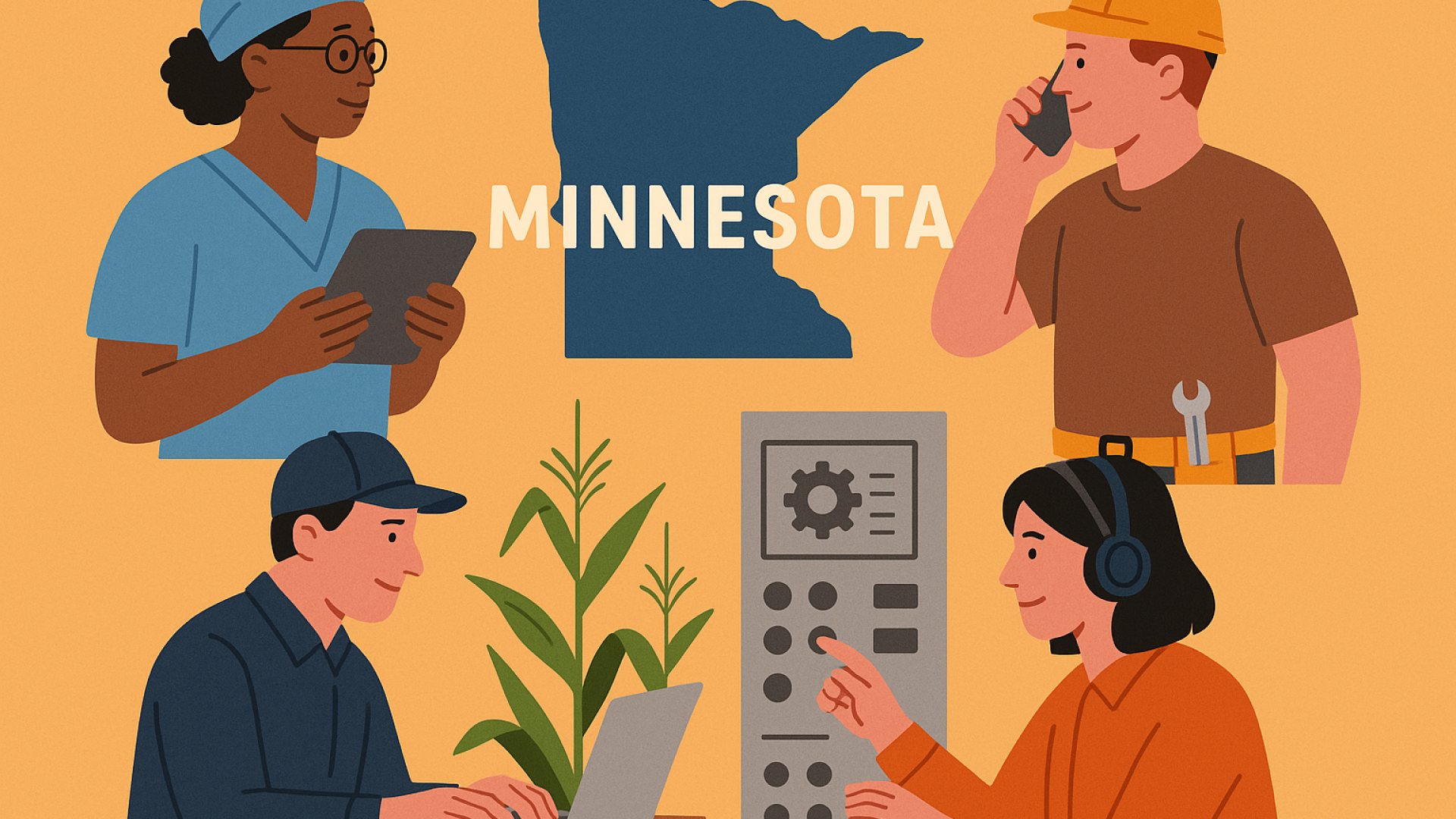
As we move further into the 21st century, technology continues to revolutionize the way we live and work. Minnesota, known for its diverse economy and strong industrial base, is experiencing significant changes in its labor market driven by technological advancements. From automation and artificial intelligence to remote work and digital platforms, the nature of work in Minnesota is evolving rapidly. This article delves into how technology is changing work in Minnesota, examining the context, core impacts, challenges, and potential solutions to ensure a thriving workforce in the future.
Context: Minnesota’s Economic and Workforce Landscape
Minnesota has long been a hub for industries such as manufacturing, healthcare, agriculture, and retail. The state boasts a highly educated population and a robust infrastructure that supports innovation. However, like many regions, Minnesota faces pressures from globalization, demographic shifts, and technological disruption. The rise of automation and digital tools is reshaping traditional jobs, creating new roles, and demanding new skills from workers.
According to recent labor market data, sectors such as information technology, healthcare, and advanced manufacturing are growing, while some traditional roles in retail and manual labor are declining or transforming. The COVID-19 pandemic accelerated trends such as remote work and digital adoption, further influencing Minnesota’s workforce dynamics. This rapid evolution requires workers, employers, and policymakers to adapt quickly to maintain economic vitality and social stability.
Core Impacts of Technology on Work in Minnesota
Automation and Artificial Intelligence
Automation technologies, including robotics and AI, are increasingly integrated into manufacturing plants, warehouses, and service industries across Minnesota. These technologies improve efficiency and reduce costs but also displace certain repetitive or manual jobs. For example, automated assembly lines and AI-driven quality control systems are becoming common in Minnesota’s manufacturing sector, enabling higher production rates and improved product consistency.
While automation can lead to job displacement, it also creates opportunities for higher-skilled positions in programming, maintenance, and system management. The challenge lies in ensuring workers can transition into these new roles through retraining and education. Moreover, AI is being utilized in healthcare for diagnostics and patient management, transforming traditional roles and requiring new competencies among healthcare professionals.
Remote Work and Digital Collaboration
The pandemic normalized remote work, and many Minnesota companies continue to offer flexible work arrangements. This shift has expanded opportunities for workers outside major urban centers, allowing talent to contribute from smaller towns or rural areas. Digital collaboration tools like video conferencing, cloud computing, and project management software have become essential for maintaining productivity and fostering teamwork across distances.
However, remote work also presents challenges such as digital divide issues, where some workers lack reliable internet access or adequate technology. Additionally, companies must adapt management practices to support remote teams effectively, addressing concerns related to employee engagement, communication, and work-life balance. The rise of hybrid work models is prompting organizations to rethink office space utilization and corporate culture.
Gig Economy and Platform Work
Technology-enabled platforms have facilitated the growth of gig and freelance work in Minnesota. Ride-sharing, food delivery, and freelance digital services offer flexible income sources but often lack traditional employment benefits and protections. This shift raises questions about worker rights, income stability, and long-term career development. Many gig workers face uncertainty regarding healthcare, retirement savings, and job security.
At the same time, the gig economy provides opportunities for entrepreneurship and supplemental income, especially for students, retirees, and those seeking flexible schedules. Policymakers and labor advocates are exploring ways to balance flexibility with protections, including portable benefits and clearer labor classifications, to support this evolving workforce segment.
Challenges Facing Minnesota’s Workforce
Skills Gap and Workforce Development
One of the most pressing challenges is the skills gap. As technology advances, the demand for workers proficient in digital literacy, data analysis, programming, and advanced manufacturing techniques grows. Many workers currently in the labor force may lack these skills, creating barriers to employment in emerging sectors. This gap is particularly pronounced among older workers and those in declining industries.
Educational institutions and employers must collaborate to design training programs that align with industry needs. Lifelong learning and upskilling initiatives are critical to help workers adapt to changing job requirements. Community colleges, technical schools, and online platforms play vital roles in delivering accessible education. Additionally, mentorship and apprenticeship programs can provide hands-on experience and smoother transitions into new careers.
Equity and Inclusion
Technological changes risk exacerbating existing inequalities if certain groups are left behind. Rural communities, older workers, and marginalized populations may face greater obstacles accessing training, technology, and new job opportunities. Addressing these disparities requires targeted policies and community engagement to ensure inclusive growth. For example, expanding broadband access in rural areas and providing affordable devices can help bridge the digital divide.
Efforts to promote diversity in STEM fields and technology sectors are essential to create equitable opportunities. Programs aimed at underrepresented groups, including women, people of color, and individuals with disabilities, can foster a more inclusive workforce. Inclusive hiring practices and workplace accommodations also contribute to retaining diverse talent.
Economic and Social Implications
The transformation of work also has broader economic and social implications. Job displacement can lead to income insecurity and social stress, affecting mental health and community stability. Policymakers must consider safety nets, such as unemployment benefits and retraining subsidies, to support affected workers. Additionally, fostering entrepreneurship and innovation can create new economic opportunities and stimulate local economies.
Social dialogue involving workers, employers, and government is crucial to navigate these changes responsibly. Ensuring that technological progress benefits all segments of society helps maintain social cohesion and economic resilience. Furthermore, addressing the psychological impacts of workforce transitions through counseling and support services is an important aspect of a holistic approach.
Potential Solutions and Strategies
Investing in Education and Training
To prepare Minnesota’s workforce for the future, investment in education at all levels is essential. This includes integrating STEM (science, technology, engineering, and mathematics) education in schools, expanding vocational training, and promoting adult education programs focused on digital skills. Early exposure to technology and coding can inspire future generations to pursue careers in high-demand fields.
Partnerships between government, educational institutions, and private sector companies can help develop curricula that reflect real-world technological demands. Apprenticeships and on-the-job training programs can also facilitate smoother transitions for workers. Additionally, funding scholarships and grants for technology-related education can reduce financial barriers for students.
Enhancing Digital Infrastructure
Expanding broadband access and improving digital infrastructure, especially in rural and underserved areas, is critical to enable remote work and digital learning. Public and private investments in connectivity will help bridge the digital divide and ensure equitable access to technology. Minnesota has initiated programs to extend high-speed internet to remote communities, recognizing that connectivity is foundational to economic participation.
Moreover, upgrading cybersecurity measures and ensuring data privacy are vital as more work and services move online. Building a secure digital environment fosters trust among workers and employers, encouraging broader adoption of technology-driven work models.
Supporting Workforce Transition and Social Safety Nets
Programs that provide career counseling, job placement services, and financial support during retraining periods can ease the transition for displaced workers. Policymakers should explore innovative social safety nets that reflect the realities of a technology-driven labor market, including portable benefits for gig workers. These benefits might cover healthcare, retirement savings, and paid leave, regardless of employment status.
Additionally, creating flexible retraining programs that accommodate working adults and caregivers can increase participation. Collaboration with community organizations can enhance outreach and support for vulnerable populations. Encouraging entrepreneurship through small business grants and incubators can also provide alternative career pathways.
Promoting Inclusive Economic Growth
Efforts to promote diversity and inclusion in technology sectors can help ensure that all Minnesotans benefit from economic transformation. Community-based initiatives, mentorship programs, and targeted recruitment can support underrepresented groups in accessing new opportunities. Inclusive economic growth strengthens communities and drives innovation by leveraging diverse perspectives.
Furthermore, fostering partnerships between urban and rural areas can distribute economic benefits more evenly across the state. Supporting local innovation hubs and technology incubators in smaller communities encourages regional development and reduces urban-rural disparities.
Conclusion
Technology is undeniably reshaping the future of work in Minnesota, bringing both exciting opportunities and significant challenges. By understanding the evolving landscape and proactively addressing issues such as skills development, equity, and infrastructure, Minnesota can position itself as a leader in the new economy. Collaboration among government, businesses, educators, and communities will be key to building a resilient and inclusive workforce that thrives in the age of technology.
As Minnesota navigates this transformation, ongoing dialogue and adaptive policies will be essential to ensure that technological progress translates into broad-based prosperity and improved quality of life for all its residents. Embracing innovation while prioritizing human capital development and social equity will help Minnesota create a future of work that is dynamic, inclusive, and sustainable.