 5 days ago
Introduction
As we step into 2026, the state of Minnesota finds itself at the forefront of a technological revolution that is reshaping the nature of work. From automation and artificial intelligence to remote work and digital collaboration tools, technology is influencing every sector of the economy. This transformation presents both opportunities and challenges for workers, employers, and policymakers alike. Understanding these dynamics is crucial for ensuring that Minnesota's workforce remains competitive and inclusive in an increasingly digital world.
Context: The Technological Shift in Minnesota's Workforce
Minnesota has long been known for its diverse economy, ranging from manufacturing and agriculture to healthcare and finance. Over the past decade, technological innovation has accelerated, impacting traditional industries and creating new ones. The COVID-19 pandemic further accelerated the adoption of digital tools and remote work, setting the stage for lasting change. This period marked a significant shift in how businesses operate and how employees engage with their work environments.
According to recent studies, sectors such as healthcare, information technology, and advanced manufacturing are experiencing rapid growth, fueled by technology. These industries are increasingly reliant on sophisticated software, robotics, and data analytics to improve productivity and service delivery. Meanwhile, automation threatens to displace certain routine jobs, raising concerns about workforce readiness and economic inequality. The challenge lies in balancing technological progress with equitable workforce development.
The Core: How Technology Is Changing Work in Minnesota
1. Automation and Artificial Intelligence
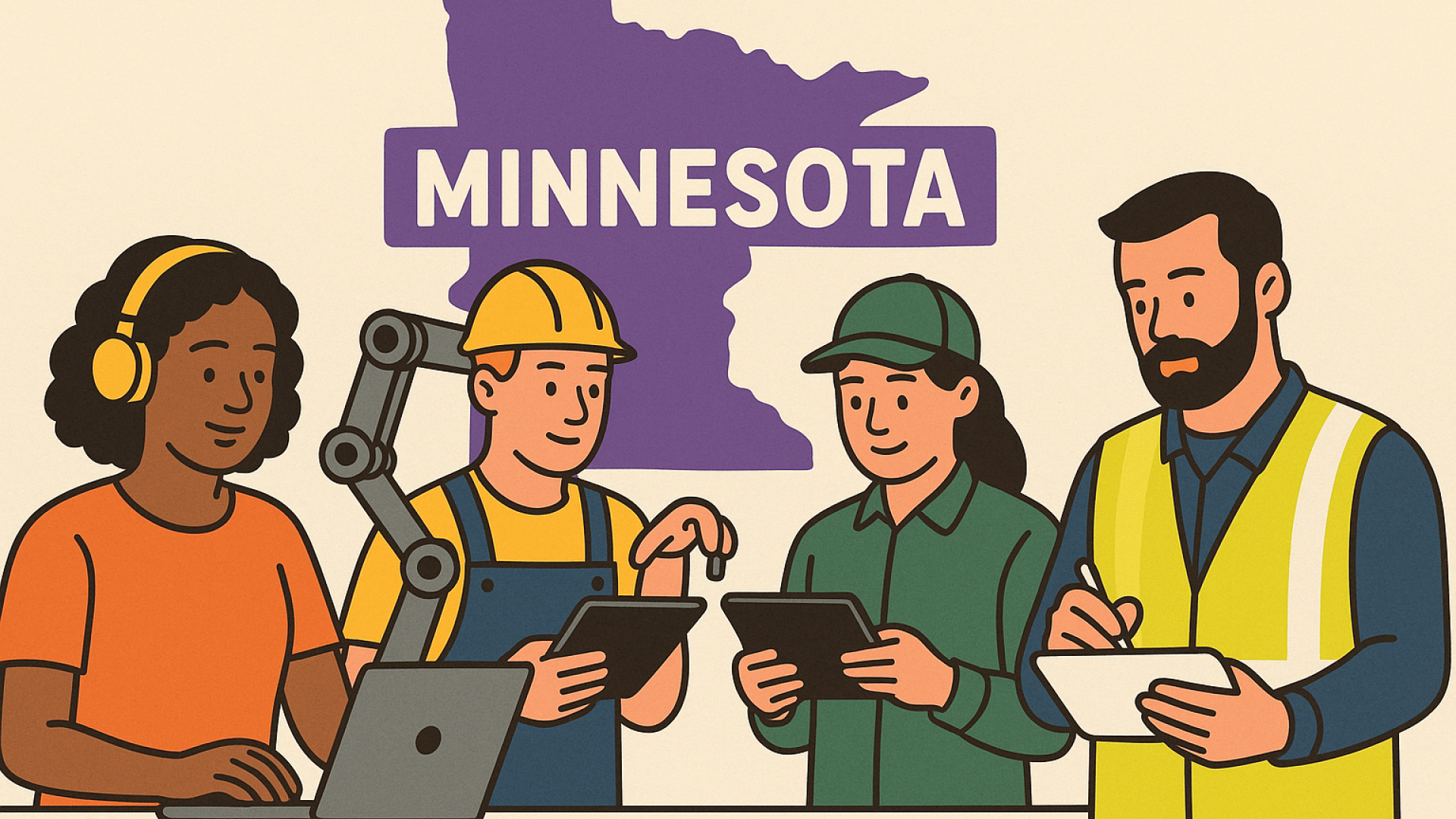
Automation technologies, including robotics and AI, are increasingly integrated into Minnesota's manufacturing plants, warehouses, and service industries. These technologies improve efficiency and reduce costs but also require workers to adapt to new roles that emphasize oversight, maintenance, and programming of automated systems. The integration of AI-driven analytics is also transforming decision-making processes across sectors.
For example, the automotive and food processing industries have introduced robotic systems that handle repetitive tasks, allowing human workers to focus on quality control and complex problem-solving. This shift not only enhances productivity but also improves workplace safety by reducing human exposure to hazardous tasks. However, this transition necessitates reskilling and upskilling initiatives to prepare the workforce for these new demands, emphasizing technical proficiency and adaptability.
2. Remote Work and Digital Collaboration
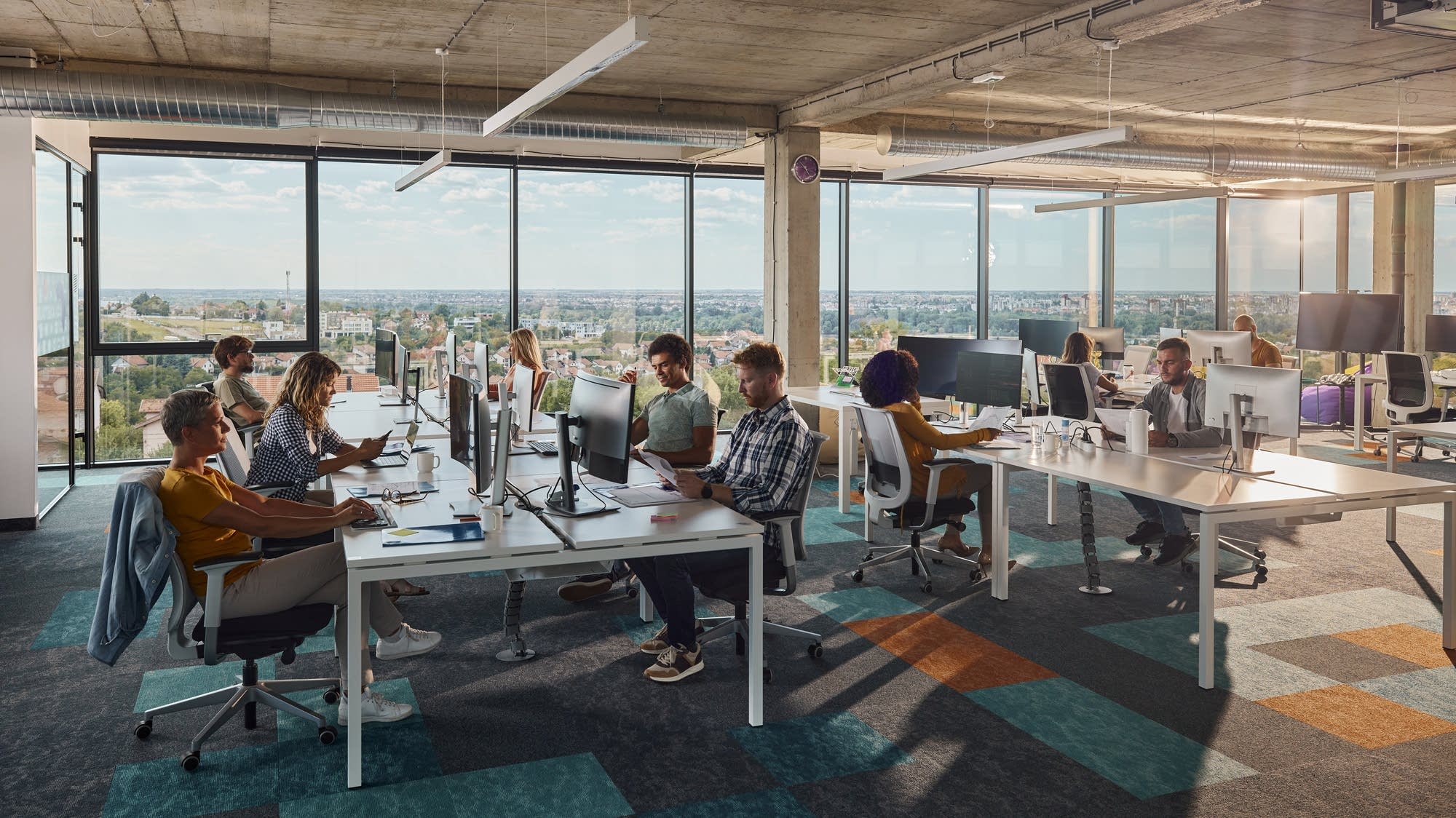
The rise of remote work has been one of the most visible changes in Minnesota's work culture. Companies across sectors have adopted hybrid or fully remote models, leveraging video conferencing, cloud computing, and project management platforms. This evolution has transformed traditional office environments, enabling greater flexibility and work-life balance for many employees.
This shift has expanded access to job opportunities beyond geographic constraints, benefiting workers in rural areas and those with mobility challenges. It has also encouraged companies to rethink talent acquisition strategies, focusing on skills rather than location. However, it also raises questions about work-life balance, employee engagement, and the digital divide affecting those with limited internet access. Employers must address challenges related to remote team cohesion, communication barriers, and maintaining organizational culture in a virtual setting.
3. Emerging Tech Sectors and Startups
Minnesota's tech startup ecosystem is thriving, particularly in areas such as health tech, fintech, and clean energy. These startups are driving innovation and creating high-skilled jobs, attracting talent and investment to the state. The growth of these sectors reflects a broader trend toward knowledge-based industries that leverage cutting-edge technologies to solve complex problems.
Institutions like the University of Minnesota and various incubators provide critical support for entrepreneurs, fostering a culture of innovation. These organizations offer mentorship, funding opportunities, and access to research facilities, helping startups scale their operations. The growth of these sectors contributes to economic diversification and resilience, positioning Minnesota as a hub for technological advancement and sustainable development.
4. Workforce Development and Education
Recognizing the need to align skills with technological advancements, Minnesota has invested in workforce development programs. Community colleges, vocational schools, and universities offer courses in coding, data analytics, and advanced manufacturing techniques. These educational initiatives are designed to equip workers with the competencies required in a rapidly evolving job market.
Public-private partnerships are also instrumental in providing apprenticeships and on-the-job training. These initiatives aim to bridge the skills gap and ensure that workers are prepared for the evolving job market. Additionally, efforts to promote STEM education among younger populations seek to build a pipeline of future talent capable of sustaining Minnesota's technological growth.
Challenges Facing Minnesota's Workforce
- Job Displacement: Automation threatens certain low-skill jobs, potentially increasing unemployment or underemployment among vulnerable populations. This displacement can exacerbate economic disparities if not managed with targeted support and retraining programs.
- Digital Divide: Unequal access to high-speed internet and digital tools limits opportunities for some workers, particularly in rural and underserved communities. This divide hampers participation in remote work and access to online education and training.
- Reskilling Needs: Rapid technological change requires continuous learning, which can be difficult for older workers or those with limited resources. Ensuring equitable access to lifelong learning is essential to prevent workforce marginalization.
- Workplace Culture: Remote work challenges traditional team dynamics and may impact mental health and productivity. Maintaining employee engagement and fostering a sense of belonging in virtual environments require innovative management approaches.
Potential Solutions and Policy Responses
1. Expanding Access to Technology and Training
To address the digital divide, Minnesota can invest in broadband infrastructure and provide subsidies or programs to ensure all residents have access to necessary technology. Expanding affordable training programs and lifelong learning opportunities will help workers adapt to new roles. Initiatives could include mobile training units, online course subsidies, and community tech hubs to reach underserved populations.
2. Supporting Workforce Transition Programs
Programs that assist displaced workers through career counseling, retraining, and job placement services are crucial. Collaboration between government, educational institutions, and industry can create pathways for smooth transitions. Emphasizing transferable skills and providing financial support during retraining periods can enhance program effectiveness.
3. Encouraging Inclusive Remote Work Policies
Employers can develop flexible work policies that consider diverse employee needs, promote engagement, and support mental health. Providing resources and training for effective remote collaboration is also important. Policies might include regular virtual social events, mental health days, and ergonomic support for home offices.
4. Fostering Innovation and Entrepreneurship
Continued support for startups and innovation hubs will drive economic growth and job creation. Policies that encourage investment in emerging technologies and sustainable industries can position Minnesota as a leader in the digital economy. Tax incentives, grants, and streamlined regulatory processes can further stimulate entrepreneurial activity.
Conclusion
The technological transformation of work in Minnesota presents a complex landscape of opportunities and challenges. By proactively addressing issues such as job displacement, digital access, and workforce development, the state can harness technology to create a more inclusive and dynamic economy. Collaboration among stakeholders—including government, industry, educational institutions, and community organizations—will be key to ensuring that Minnesota's workforce thrives in this new era.
As technology continues to evolve, ongoing assessment and adaptation will be necessary to meet the changing needs of workers and employers. Minnesota's experience may serve as a valuable model for other regions navigating similar transitions in the years ahead. Embracing innovation while prioritizing equity and sustainability will help secure a prosperous future for all Minnesotans.