 1 day ago
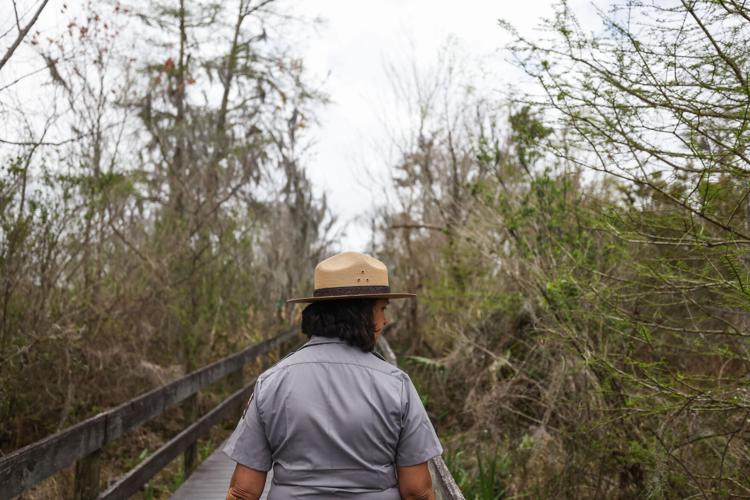
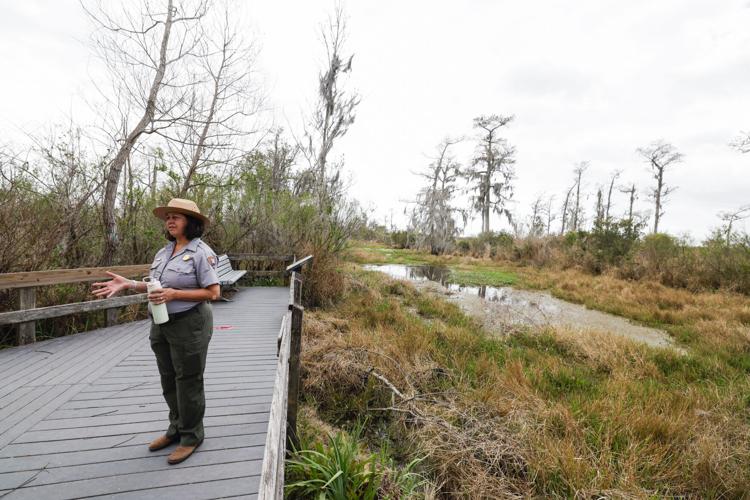
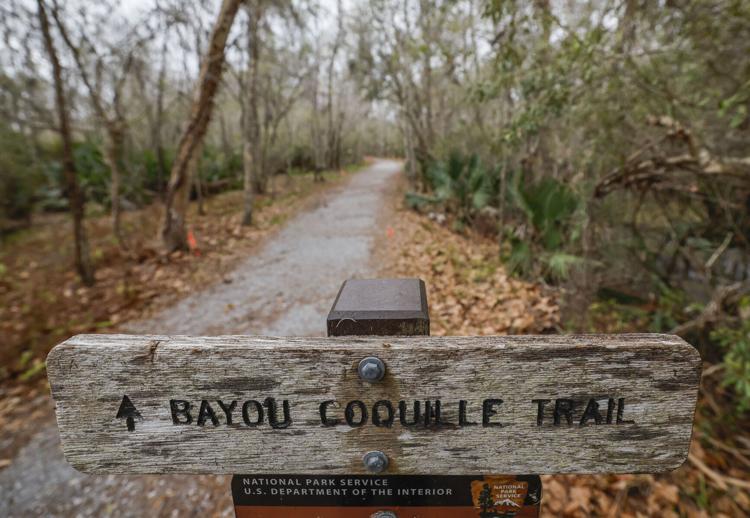
On a cool February morning, Meredith Hardy, a ranger at Jean Lafitte National Historical Park and Preserve, walks toward the start of the Bayou Coquille trail at the Barataria Preserve. This short path is lined with live oaks, magnolias, and sweet gums.
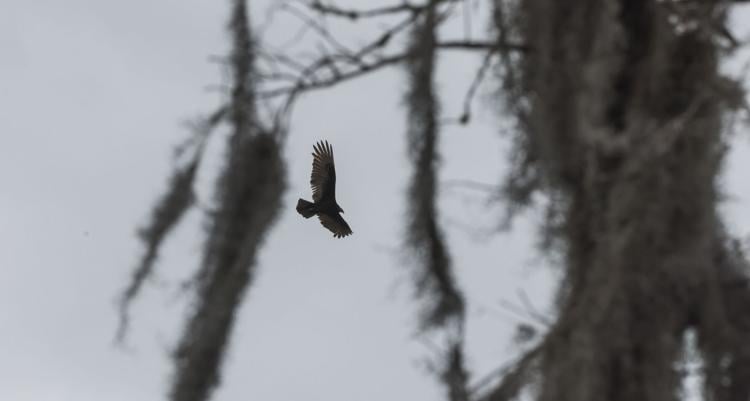
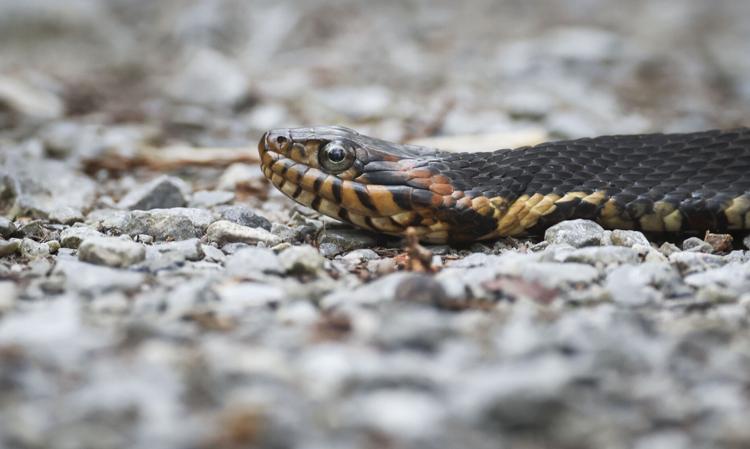
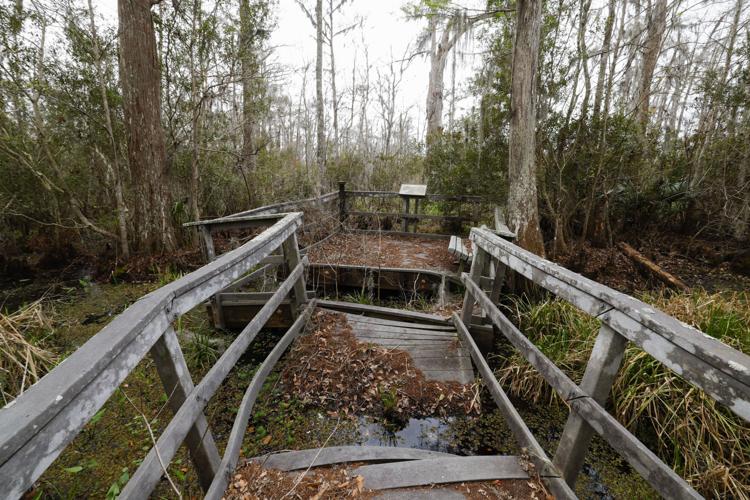
She then ducks under yellow caution tape, pointing out a circling vulture and a motionless snake, but also fallen branches and half-submerged boardwalks—reminders of the damage Hurricane Ida caused across the preserve’s 26,000 acres.
"Ida damaged the park across most locations," Hardy said. "This created extensive damage to pilings on the trails."
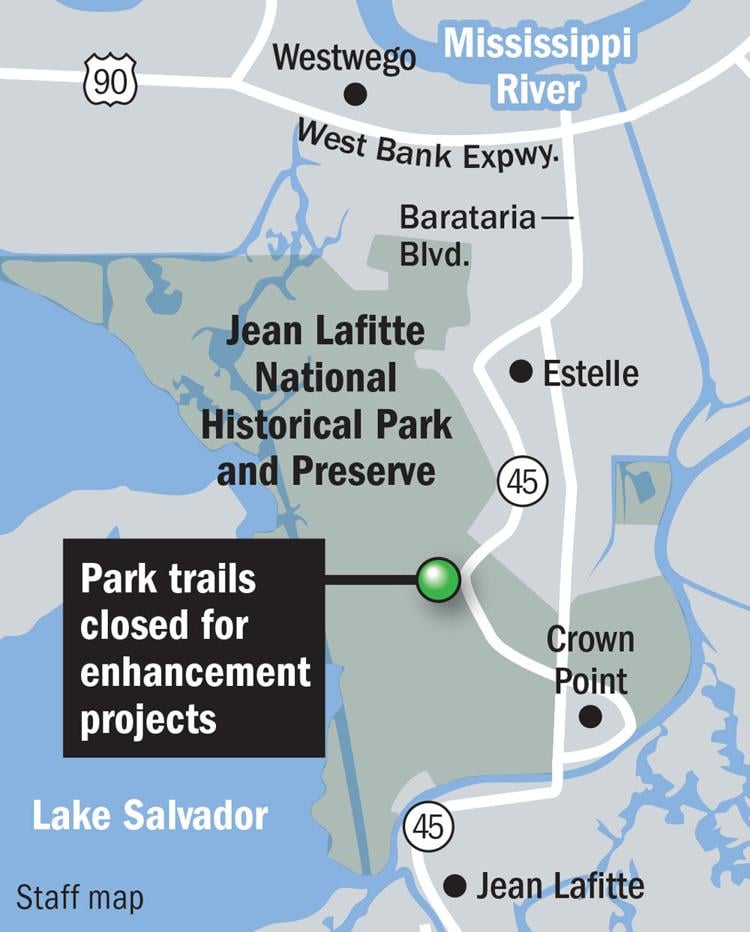
The park has closed most pathways at the preserve for a major renovation project to repair this damage. The trails will reopen in phases over the next two years as repairs are completed.
The revitalization aims not only to repair sites damaged by the 2021 storm but also to elevate boardwalks to withstand future environmental threats. Coastal erosion, sea level rise, and flooding pose ongoing risks that scientists and researchers at the preserve are incorporating into their management plans.
"It’s a microcosm of the coast," said Julie Whitbeck, an ecologist at the park. "Change is happening so rapidly here in ways that demand this kind of infrastructure adaptation."
Two grants from the U.S. Economic Development Agency are funding the trails improvement project. The federal funds will also support a larger education center for visitors.
Meanwhile, the visitor center has temporarily moved to Lafitte, a few miles south of the preserve, and rangers are leading guided hikes on the Wetland Trace trail. Construction on the new visitor center is expected to be completed by 2029, and the Twin Canals Trail will remain open during the renovation.
In addition to environmentally friendly upgrades, the park will use federal funds to update signage and widen trails to improve accessibility.
Hardy declined to disclose the total cost of the projects, as some portions are still out for bid.
A Walk Through the Trail
Part of the larger Jean Lafitte National Historical Park and Preserve—which includes sites in the French Quarter, Chalmette, and Lafayette—the Barataria Preserve holds significant environmental and cultural importance to the region.
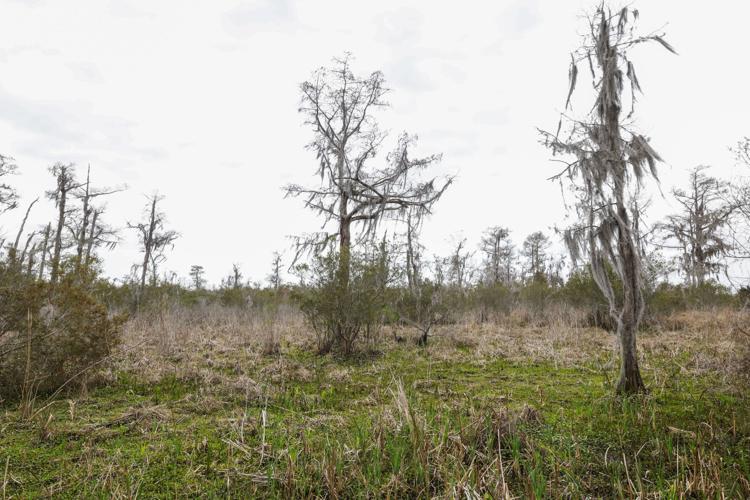
"It’s pretty unique," Hardy said. "Here, you really get out into the wilderness and can get away from the urban environment."
In February, the Jefferson Parish Council passed a resolution supporting elevating the park’s status from a national historical park to an official national park—placing Jean Lafitte alongside Yellowstone and Yosemite. Councilman Tim Kerner emphasized the "foundational American stories" embedded in the park’s history, including the legacies of Indigenous, Black, Creole, and Cajun communities.
The park’s current designation as a preserve allows hunting and fishing, explained Anne Finney, a cultural resource program manager at the park.
"It’s a continuation of traditional land uses," Finney said. "People are still fishing and hunting the same way their grandfathers did."
Land Loss and Other Changes
While visitors continue longstanding traditions, the preserve itself has degraded. Hardy noted that land loss along the preserve's Lake Salvador shoreline is about 164 feet per year, a comparatively high rate.
For many longtime visitors and scientists who study the habitat, these changes can be emotionally difficult, said Whitbeck.
"I have some colleagues who used to bring visiting friends to the Barataria Preserve but now can’t because it makes them sad," she said.
The environmental assessment for the trails project highlights the "exceptionally rapid rate of relative sea level rise" affecting the preserve. The National Park Service used Louisiana's Coastal Master Plan and hydrodynamic models to predict water level rises over coming decades.
The park is also involved in other restoration efforts, including rock breakwater structures in Lake Salvador, canal backfilling, and removing debris from old oil and gas wells.
The plan calls for raising 1.3 miles of boardwalk trails by more than a foot and abandoning over 2 miles of trails that are continually flooded, according to the environmental report.
The park will install slatted floorboards on new boardwalks to allow water to flow through, minimizing flooding impacts. Hardy explained, "so they don't get completely covered in water." These boardwalks are designed to remain above water until 2055, the planned lifetime of the project.
Beyond 2055, the park is expected to look very different. Waters will become saltier, flooding risks will increase, and many tree species will die, shifting the balance between forest and marsh.
"The park faces the same risks as all Louisiana coastal communities," Whitbeck said. "We are doing our best as stewards to sustain these resources and maintain public access to the preserve."