 1 hour ago
Introduction
As we progress through March 2026, the global economic and political landscape continues to experience significant transformations that are shaping markets, local businesses, and international relations alike. This comprehensive analysis delves into the key developments and emerging trends that define this period, including the evolving composition of the S&P 500 index, SAIC's ambitious financial targets, notable local business activities in Fenton Township, critical political health updates involving prominent figures, and pivotal international economic dialogues such as Cuba's private sector reforms and strategic political alliances in France.
Understanding these multifaceted dynamics is essential for investors, policymakers, business leaders, and global observers who seek to navigate the complexities of an interconnected world. This article aims to provide a detailed examination of these topics, highlighting their implications and offering strategic considerations for various stakeholders.
Context: Market and Political Environment in Early 2026
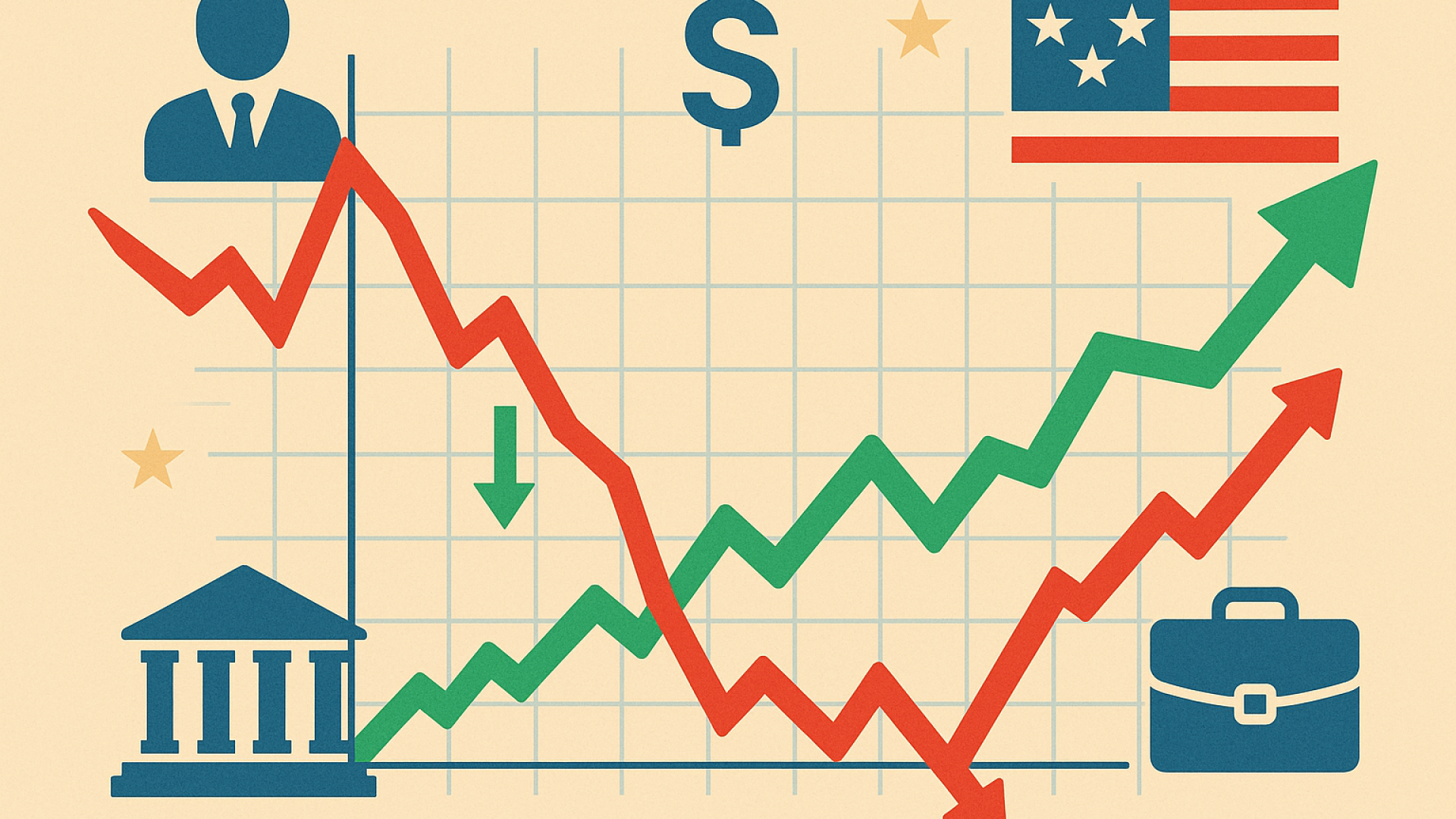
The first quarter of 2026 has been characterized by heightened volatility and strategic repositioning across multiple sectors and regions. Investors and policymakers are contending with a rapidly changing environment influenced by technological innovation, evolving regulatory frameworks, and persistent geopolitical tensions. The S&P 500 index, a critical indicator of U.S. equity market health, is undergoing notable shifts in sector weightings, reflecting broader economic trends and investor sentiment.
Concurrently, corporations such as SAIC are setting ambitious revenue and margin goals to maintain competitiveness amid intensifying market pressures. These corporate strategies are unfolding against a backdrop of local governance challenges, including regulatory responses to data center expansions and strains on public health infrastructure.
On the political front, health updates concerning influential lawmakers have brought attention to the human aspects of governance, while calls for increased accountability in social media and telecommunications sectors underscore the growing importance of cybersecurity and consumer protection. Internationally, renewed dialogues between the United States and Cuba signal potential openings for economic cooperation, and French political parties are strategically aligning ahead of critical local elections, which may reshape the political landscape at multiple levels.
Core Analysis
S&P 500 Sector Weighting: A Potential Paradigm Shift
Recent projections by Torsten Slok of Apollo indicate that the top 10 companies within the S&P 500 could soon constitute as much as 50% of the index's total weighting, marking a significant increase from current levels. This trend points to an increasing concentration of market capitalization in mega-cap technology and consumer discretionary firms, which has profound implications for market diversification and systemic risk.
This concentration reflects strong investor confidence in the growth trajectories and profitability of leading companies, driven by their innovation capabilities and dominant market positions. However, it also raises concerns about heightened vulnerability to sector-specific shocks, which could amplify market volatility. For instance, regulatory changes, technological disruptions, or shifts in consumer behavior affecting these dominant firms could have outsized impacts on the broader market.
Investors are thus faced with the challenge of balancing the pursuit of growth opportunities presented by these market leaders against the need to maintain portfolio resilience through diversification. This evolving market structure necessitates a nuanced approach to risk management and asset allocation.
SAIC's Strategic Financial Outlook
SAIC has publicly announced its financial targets for fiscal year 2027, aiming to achieve revenues between $7 billion and $7.2 billion while simultaneously focusing on expanding profit margins. This strategic outlook underscores the company's commitment to operational efficiency, portfolio optimization, and responsiveness to market demands.
Central to SAIC's approach is the refinement of its business portfolio, which involves concentrating on core competencies and divesting non-strategic assets. This disciplined portfolio management is designed to enhance shareholder value by improving profitability and fostering sustainable growth. SAIC's strategy exemplifies how companies can navigate competitive pressures by aligning resources with high-potential areas and optimizing cost structures.
Moreover, SAIC's emphasis on margin expansion reflects an understanding of the importance of profitability in sustaining long-term competitiveness, especially in sectors characterized by rapid technological change and evolving customer needs.
Local Business Developments: Fenton Township and Beyond
At the local level, Fenton Township has witnessed significant developments that illustrate the complex interplay between economic growth and community interests. Lucky's Steakhouse, a well-known local establishment, has been cleared to reopen, signaling a positive development for the hospitality sector and local employment.
Conversely, the township has enacted a moratorium on new data center developments. This decision reflects growing community concerns regarding infrastructure capacity, environmental impact, and quality of life. Data centers, while critical for supporting digital economies, often raise issues related to energy consumption, noise, and traffic, prompting local governments to carefully evaluate their expansion.
The moratorium provides a crucial period for stakeholders—including residents, businesses, and policymakers—to engage in comprehensive planning and develop sustainable development strategies that balance economic benefits with environmental stewardship and community well-being.
Political Health Updates and Accountability Measures
In the political arena, former President Donald Trump has publicly shared updates regarding the health of GOP lawmaker Neal Dunn, highlighting the critical nature of ongoing medical interventions. Such transparency brings attention to the personal challenges faced by political leaders and the importance of openness in maintaining public trust.
Meanwhile, in Kansas, banking officials have issued calls for lawmakers to hold social media and telecommunications companies accountable for fraud prevention. This reflects increasing awareness of cybersecurity threats and the need for robust regulatory frameworks to protect consumers in an era where digital platforms play a central role in daily life and commerce.
These developments underscore the evolving responsibilities of governments to safeguard public interests in the face of technological advancements and the complex challenges they present.
International Economic and Political Dialogues
On the international stage, Cuba's recent decision to open its private sector to Cuban Americans represents a landmark step in economic reform and bilateral relations with the United States. This policy shift has the potential to stimulate investment, foster entrepreneurship, and enhance economic integration between the two countries. However, navigating the political sensitivities and regulatory complexities involved will be critical to realizing these benefits.
In France, political parties are actively forging alliances ahead of pivotal local elections. These strategic coalitions aim to consolidate power, influence policy directions, and potentially reshape governance structures at various levels. The outcomes of these elections may have broader implications for European political dynamics and policy priorities.
These international developments highlight the interconnected nature of economic and political processes and the importance of diplomatic engagement and strategic planning.
Potential Solutions and Strategic Considerations
For Investors and Market Participants
- Maintain diversified investment portfolios to mitigate risks associated with increasing market concentration in the S&P 500, ensuring exposure across sectors and asset classes.
- Closely monitor corporate strategies such as SAIC's portfolio refinement and margin expansion efforts to identify best practices and emerging opportunities.
- Stay informed about regulatory developments affecting local business environments, including moratoriums on data center expansions, to anticipate potential impacts on market sectors.
For Policymakers and Regulators
- Strive to balance economic development objectives with community and environmental considerations in local governance decisions, fostering sustainable growth.
- Enhance transparency and communication regarding the health of political figures to maintain public confidence and ensure effective governance continuity.
- Develop and enforce robust regulatory frameworks to hold technology and telecommunications companies accountable for fraud prevention and cybersecurity, protecting consumers and maintaining market integrity.
For International Relations and Economic Development
- Encourage ongoing dialogue and cooperative initiatives between the United States and Cuba to support economic reforms, bilateral engagement, and mutual prosperity.
- Monitor political alliance formations in France as indicators of broader European political trends, adapting diplomatic and economic strategies accordingly.
Conclusion
The developments unfolding in March 2026 illustrate a dynamic and complex interplay of market forces, political shifts, and local governance challenges. From the potential concentration of market power within the S&P 500 to strategic corporate initiatives like those of SAIC, and from local regulatory decisions to evolving international relations, stakeholders across sectors must navigate an environment marked by uncertainty and opportunity.
As the year advances, continuous monitoring and nuanced analysis will be essential to comprehend the full implications of these trends. Capitalizing on emerging opportunities while effectively managing risks will require informed strategies, adaptive policies, and collaborative efforts among investors, policymakers, business leaders, and international partners.
Ultimately, the convergence of economic, political, and social factors in this period underscores the necessity of a holistic and forward-looking approach to decision-making in an increasingly interconnected global landscape.